Common Chicken Egg Quality Issues Explained
Raising chickens can be a rewarding and enjoyable hobby—and even a source of income. As your chicks grow into mature hens and begin laying, you may notice a variety of differences when collecting and using farm-fresh eggs.
Understanding how an egg forms is the first step in knowing why certain quality issues occur. Hens typically begin laying eggs between 18 and 22 weeks of age, provided they receive adequate nutrition, proper housing and management, and an ideal day length of 14–16 hours of light.
Egg formation takes approximately 24–26 hours. The process begins when the yolk forms in the hen’s ovary and is released into the oviduct. As it reaches the magnum, the yolk is coated with albumen (egg white), a process that takes about three hours. The egg then travels to the isthmus for about an hour, where the inner and outer shell membranes are added, and the egg begins to take on its familiar oval shape.
Next, the developing egg moves to the shell gland, where it spends about 20 hours while the shell forms. Shell color is added during the final five hours. Once complete, the egg passes into the vaginal area, where the egg bloom—also known as the cuticle—is applied. This protective coating works with a strong shell to help prevent bacteria from entering the egg. After this final step, the egg is laid.
Below are some common issues that can affect the exterior (shell) and interior (yolk and albumen) of chicken eggs.
Exterior Issues (Eggshell)
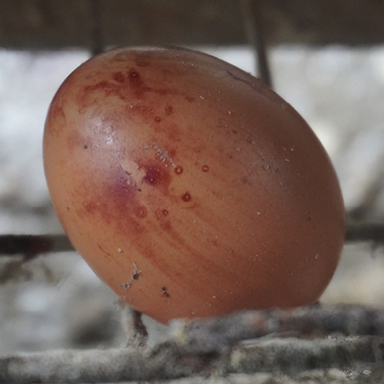
Blood on the Eggshell
Spots, traces, or smears of blood on the shell.
Causes Include:
- Ruptured blood vessels in the hen's vagina from straining (common in young pullets and overweight hens)
- Cannibalism or Vent pecking
- Sudden increases in daylight length
- Mite or Lice infestations around the vent
Body-Checked Eggs
These eggs crack during the calcification process, and a layer of calcium is deposited over the crack before the egg is laid, creating groove-like marks on the shell.
Causes Include:
- Incorrect lighting
- Stress
- Age (older hens)
- Overcrowding
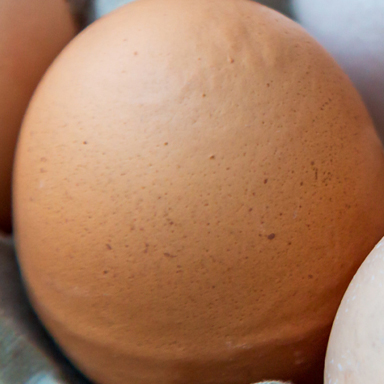
Broken or Mended Eggs
Similar to body-checked eggs, these shells crack during calcification and are repaired just before being laid.
Causes Include:
- Stress, fright, or disturbances during shell formation
Calcium-Coated Eggs
These eggs have an extra powdery layer of calcium on part of al of the shell.
Causes Include:
- Defective shell glands
- Egg remaining in the shell gland to long
- Stress or disturbance during calcification
- Excess calcium in the diet
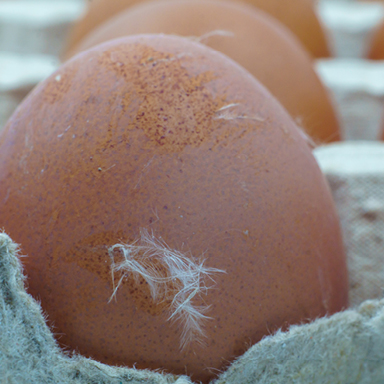
Calcium Deposits
These eggs have raised, irregular white spots on the shell.
Causes Include:
- Stress during calcification
- Excess calcium
- Defective or immature shell glands
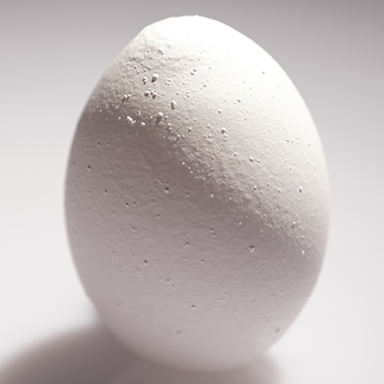
Corrugated Shells
These shells result from thin egg membranes, often caused by double ovulation. The shell forms over a stretched, uneven membrane.
Causes Include:
- Extra-large or multi-yolk eggs
- Newcastle Disease
- Excessive antibiotic use
- Excess calcium
- Defective shell gland
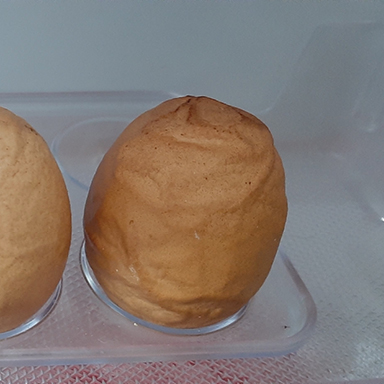
Lack or Pigment or Uneven Pigmentation
Causes Include:
- Poor nutrition, including deficiencies in protein, minerals, zinc, copper, and manganese
- Viral infections such as infectious bronchitis, Newcastle disease, egg drop syndrome, and avian influenza
- Internal or external parasites (roundworms, capillary worms, red mites)
- Certain drugs, such as nicarbazin in feed
- Hen's age
- Stress
- Egg's prolonged exposure to sunlight and high temperatures
Misshaped or Odd-Shaped Eggs
These eggs may be too large, too small, round instead of oval, or otherwise irregular in shape.
Causes Include:
- Immature shell glands in young hens
- Stress, fright, or disturbances
- Defective shell glands
- Overcrowding
- Diseases such as infectious bronchitis
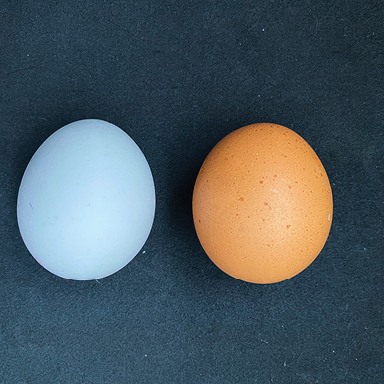
Mottled Eggs
These eggs have parts of the eggshell that are translucent, sometimes a glassy appearance. Mottled eggs are sometimes thin and fragile.
Causes Include:
- High humidity in the coop
- Certain diseases
- Manganese deficiency
- Overcrowding
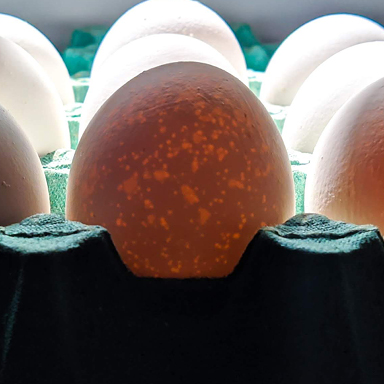
Shell-Less Egg
These eggs contain a yolk, albumen, and membrane but no shell. They are most commonly seen in pullets just beginning to lay.
Causes Include:
- Immature shell glands
- Nutritional deficiencies (calcium; vitamins E, B12, and D; phosphorus; selenium
- Diseases such as Newcastle disease, infectious bronchitis, avian influenza, and egg drop syndrome
- Exposure to extreme temperatures or humidity
- Internal or external parasites
- Stress causing premature laying
- Molting
- Exposure to toxins such as mold, fungi, or bacteria
Soft-Shell Egg
These eggs have an incomplete shell or only a thin calcium coating. Providing free-choice oyster shells can help prevent this issue.
Causes Include:
- Immature shell glands
- Nutritional deficiencies (especially calcium and vitamins
- Certain diseases or parasites
- High temperatures and extreme humidity
- Stress or disturbances
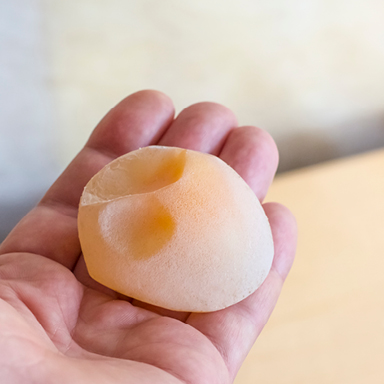
Slab-Sided or Flat-Sided Egg
This occurs when two eggs enter the shell gland close together, interrupting calcification of the second egg.
Causes Include:
- Diseases such as infectious bronchitis
- Sudden increases in daylight hours
- Overcrowding
- Stress or disturbances
Speckled Egg
This is when small brown or white speckles appear on the shell.
Causes Include:
- Stress during calcification
- Poor nutrition or excess calcium
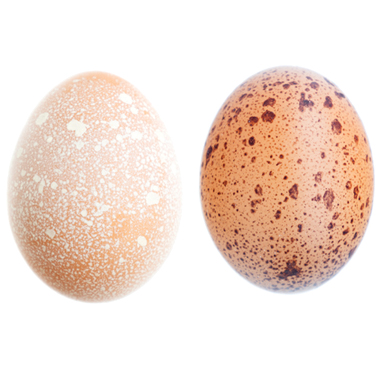
Wrinkled Egg
As hens age, egg whites thin, making it harder for the shell to form smoothly.
Causes Include:
- Stress or disturbances
- Diseases such as infectious bronchitis
- Defective shell glands
- Heat stress
- Poor nutrition
- Wrinkled eggs may also indicate a developing Lash Egg
White-Banded Egg
White-banded eggs occur when two eggs are present in a hen's oviduct at the same time and make contact in the shell gland. When the first egg's shell forms, the normal calcification process is interrupted, causing an extra layer of calcium to be deposited and appear as a white band.
Causes Include:
- Stress
- Changes in lighting
- Diseases such as infectious bronchitis
Interior Issues (Yolk and Albumen/Egg White)
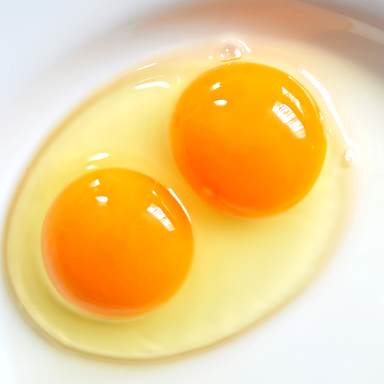
Double or Multiple Yolks
Common in new layers, these occur when two or more yolks are released at the same time.
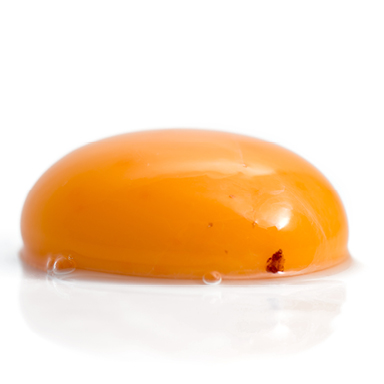
Blood Spots
Blood spots range from tine specks to larger amounts mixed into the egg.
Causes Include:
- Vitamin A or K imbalances
- Use of Sulphaquinoxaline
- Excess lucerne meal
- Moldy or spoiled feed
- Continuous lighting
- Stress or fright
Pale Yolks
Pale Yolks are caused by a lack of yellow or red pigments in the diet. Hens that eat grass, greens, or corn typically produce darker yolks.
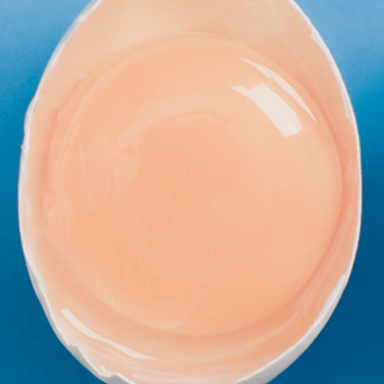
Discolored Yolks
Yolk color is closely linked to diet:
- Cottonseed meal may cause bluish green yolks
- Sheperd's purse weed may cause green yolks
- Certain fatty acids may cause salmon-colored yolks after storage
- Worms or disease may cause pale or "platinum" yolks
Mottled Yolks
Mottled yolks show pale blotches and worsen with long or improper storage.
Causes:
- Certain medications and feed additives
- Nicarbazin
- Raw soybean meal
- Calcium deficiency
- Thin eggshells
Meat Spots
Meat spots are small pieces of oviduct tissue or broken-down blood spots found in the albumen. They are more common in older hens and are safe to eat.
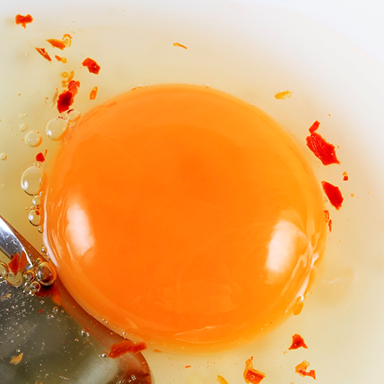
Thin or Water Albumen
This is common in older hens; eggs are still safe to eat.
Causes Include:
- Diseases such as Newcastle disease, infectious bronchitis, or egg drop syndrome
- High storage temperatures
- High ammonia levels in the coop
- Carbon dioxide loss during storage
- High vanadium levels in feed
- Reactions to certain vaccinations
Off-Color Albumen
- Green Egg Whites may result from high riboflavin levels, bacterial contamination, or improper storage and are not safe to eat.
- Yellow Egg Whites may result from high riboflavin levels or long storage and are not safe to eat.
- Cloudy Egg Whites are common in very fresh eggs or those exposed to freezing temperatures and are safe to eat.
If you are ever unsure whether an egg is safe to eat, follow the old saying: when in doubt, throw it out.
Understanding egg quality issues is a normal part of raising chickens and doesn't mean something is wrong with your flock. Many changes in eggs are temporary and often tied to age, diet, environment, or stress. By providing balanced nutrition, consistent lighting, clean housing, and attentive care, you support healthy hens and more consistent egg production. Paying attention to what your eggs are telling you helps you make informed decisions and enjoy the benefits of fresh, home-raised eggs with confidence.
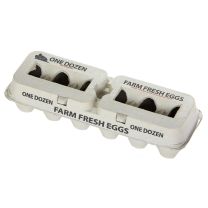
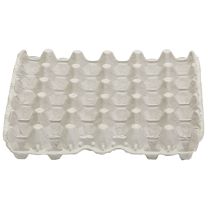
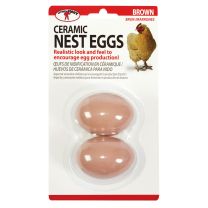
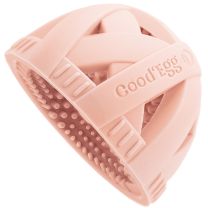
Egg Care Products
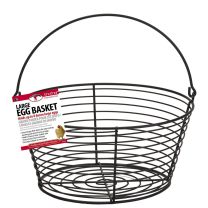
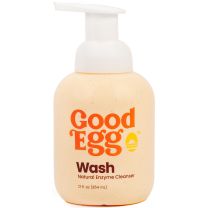
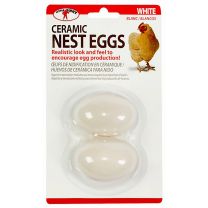
Check out these great items featured in this weeks Bomgaars flyer!



Egg Care Products
Check out these great items featured in this weeks Bomgaars flyer!