6 Reasons Hens Stop Laying Eggs
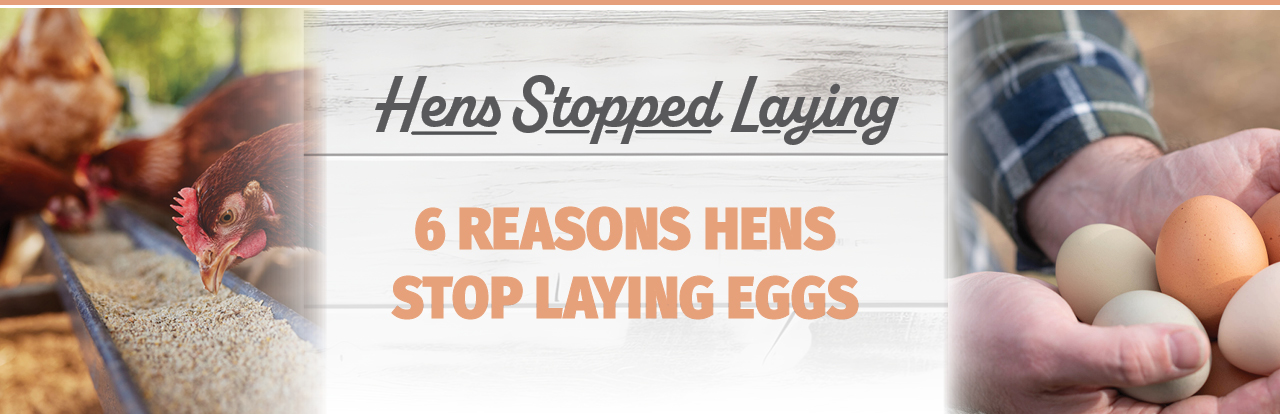
Collecting fresh eggs is one of the most rewarding parts of raising chickens, so it can be concerning when hens suddenly stop laying. While a drop in egg production is often a normal response to seasonal or biological changes, it can also signal issues with nutrition, environment, or health. Understanding the most common reasons hens stop laying eggs allows flock owners to make informed adjustments and keep their chickens healthy, comfortable, and productive year-round.
- Light
Hens require 14–16 hours of light per day to maintain consistent egg production. As winter approaches and daylight hours decrease, egg production often slows or stops. To help prevent this decline, provide your flock with artificial lighting.
A general guideline is one 25–40-watt bulb per 100 square feet of coop space. Use warm white or yellow light that mimics natural sunlight, ideally bulbs rated under 3,500K. Avoid green or blue tones; a standard “soft white” bulb works well. Heat lamp bulbs are not suitable for extending daylight hours.
Introduce artificial lighting gradually—about one additional hour per week, added in the morning—until the desired light duration is reached.
- Molting
Molting occurs when chickens shed old feathers and grow new ones. Most hens begin molting at around 18 months of age and will molt annually, usually in the fall months. During this time, hens redirect energy from egg production to feather growth.
Molting can last 4–16 weeks. Once new feathers are fully grown, egg production typically returns to normal.
- Nutrition
Proper nutrition is one of the most important factors in egg production. Laying hens require a balanced layer feed with adequate energy, protein, and calcium. Nutritional deficiencies can quickly lead to reduced or stopped egg production.
Hens should have continuous access to a layer feed containing 16–16-18% protein, along with fresh, clean water at all times. Providing free-choice oyster shell helps support strong eggshell formation.
While treats can be enjoyable, too many can disrupt nutritional balance. Follow the 90/10 rule: 90% of a hen’s diet should be complete feed, with no more than 10% coming from treats such as whole grains, scratch grains, or table scraps.
- Stress
Chickens are easily stressed, and stress can significantly impact egg production. Common stressors include weather changes, relocation, predator threats, and disruptions within the flock. To reduce stress:
- Ensure the coop is secure from predators
- Limit unnecessary handling or moving of birds
- Keep the coop dry and free from excessive drafts, especially in colder months
- Minimize changes to flock social structure
- Reduce disturbances from dogs, livestock, vehicles, and children
- Maintain a parasite-free flock
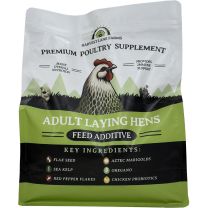
- Use supplements - Disease
When hens are battling illness—whether from mites, lice, or infectious diseases—they often stop laying to focus energy on recovery. A decline in egg production is frequently one of the first signs of illness. Other symptoms may include a dull or listless appearance, watery eyes or nostrils, coughing, molting outside of normal seasons, lameness, or increased mortality.
If disease is suspected, contact a veterinarian. The best prevention is purchasing healthy, vaccinated birds and practicing good biosecurity. When introducing new adult birds, quarantine them for several weeks to ensure they are healthy before joining the flock.
-
Age
Chickens typically begin laying eggs between 18–20 weeks of age. Peak production usually occurs between 1 and 3 years old, after which egg output gradually declines. Many hens continue laying occasional eggs well beyond this period and make excellent pets. By 6–7 years of age, most hens slow down significantly, though some may lay even longer.
A slowdown in egg production doesn’t always mean something is wrong, but it is your flock’s way of responding to changes in light, nutrition, stress, health, or age. By paying close attention to your hens’ environment and daily care, many laying issues can be prevented or corrected. With proper management and patience, most flocks will return to laying when conditions improve—ensuring healthy hens and a steady supply of farm-fresh eggs.
Poultry Health and Wellness Products
Check out these great items featured in this weeks Bomgaars flyer!


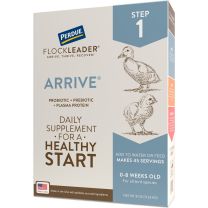
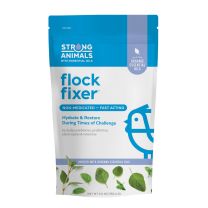

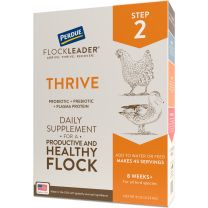
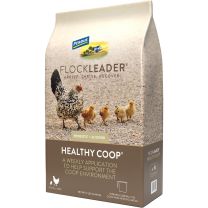


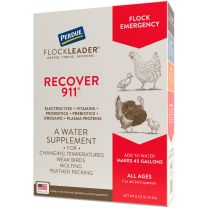

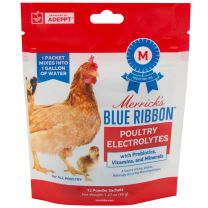
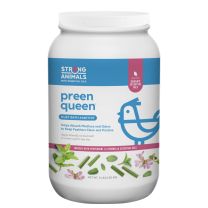
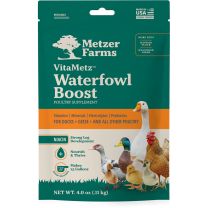
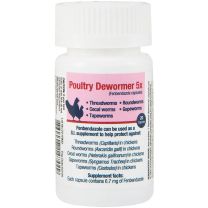
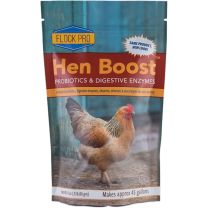
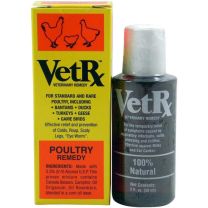
Poultry Health and Wellness Products
Check out these great items featured in this weeks Bomgaars flyer!